Practical guides
Solflare wallet staking is a self-custody SOL delegation workflow inside a Solana wallet
Solflare wallet staking is a way to delegate SOL to Solana validators from the Solflare app or browser extension while the wallet holder keeps custody of the assets. The wallet creates and manages on-chain stake accounts, shows validator choices, tracks rewards, and handles activation, deactivation, and withdrawal steps tied to Solana epochs. Delegated SOL supports network consensus and earns protocol staking rewards after the stake becomes active.
The on-chain stake account behind the button
The important detail is that staking SOL in Solflare does not work like sending coins to a company account. Solana uses dedicated stake accounts. When a user starts a delegation, the wallet prepares a transaction that moves SOL into a stake account controlled by the same wallet authority, then delegates that account to a validator vote account.
This structure matters because the validator never receives spend control over the SOL. The validator participates in consensus, votes on blocks, and receives commission from earned rewards. The wallet owner keeps the authority needed to deactivate stake, withdraw it after cooldown, or move to a different validator. Solflare wallet staking packages those Solana-native steps into a clearer wallet flow without changing the underlying chain mechanics.
Choosing a validator from inside Solflare
Validator selection shapes the staking experience. Solana validators differ by commission rate, uptime, voting performance, data center profile, and reputation in the ecosystem. A lower commission leaves more of the reward with delegators, but performance and reliability also matter because skipped or delinquent voting reduces the reward stream for delegated stake.
Solflare presents staking as a wallet action, so users review validators before signing. Many SOL holders also compare validator history with tools such as StakeWiz, Solana Beach, or validator dashboards before they delegate. A sound choice spreads stake across healthy independent validators rather than concentrating everything in the largest names.
How rewards accrue after activation
Solana measures staking time in epochs, and each epoch lasts roughly a couple of days. Newly delegated stake enters an activation phase before it earns full rewards. Once active, rewards accrue to the stake account itself, so the balance shown for that stake account rises as rewards are credited by the protocol.
In practice, Solflare wallet staking makes the reward balance visible in the wallet interface, but the reward source is Solana consensus. Validators receive commission from rewards, and the remaining rewards stay with delegators through the stake account. There is no fixed wallet-set interest rate; the realized return reflects network issuance, total active stake, validator commission, and validator performance during the epoch.
Starting with a small SOL delegation
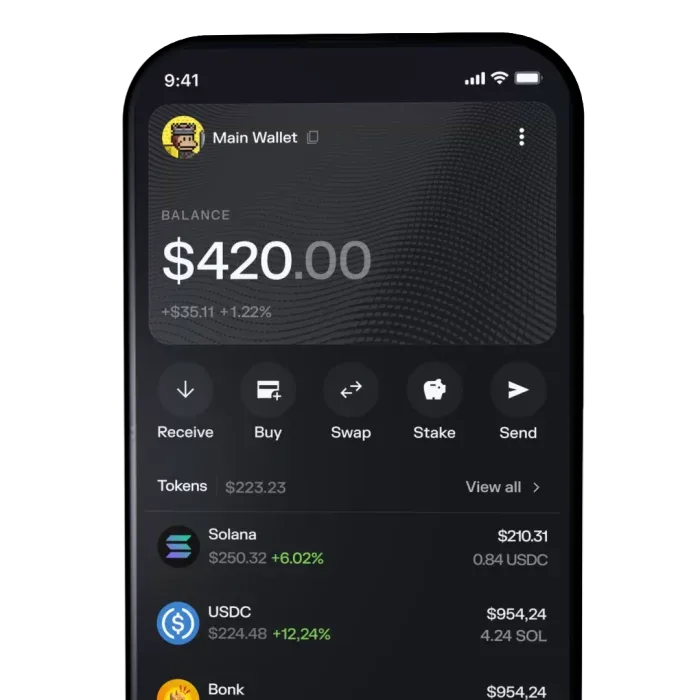
A new user starts by holding SOL in Solflare and keeping enough liquid SOL outside the stake account for network fees. Solana transaction fees are low, yet an empty spendable balance creates avoidable friction when signing later actions such as deactivation or withdrawal.
- Open the staking area in the Solflare wallet.
- Review validator names, commission, and basic performance signals.
- Enter the amount of SOL to delegate while leaving some SOL liquid.
- Review the transaction details and approve the wallet signature.
- Track activation and rewards from the stake account view.
For a first delegation, a smaller amount gives the user a practical feel for epochs, reward timing, and validator selection. After the stake becomes active and the reward display makes sense, the same wallet workflow supports larger delegations or multiple stake accounts.
Unstaking, cooldown, and withdrawals
Unstaking on Solana is a two-step process: deactivate first, then withdraw after the stake finishes cooling down. The cooldown follows epoch timing, so SOL is not instantly spendable the moment a user presses unstake. Solflare wallet staking reflects that lifecycle by showing stake status as it moves from active to deactivating and then withdrawable.
Once the cooldown completes, the wallet owner withdraws SOL from the stake account back into the normal wallet balance. That SOL then becomes available for transfers, swaps, card spending where supported, or a fresh delegation. Users who frequently move in and out of positions need to plan around epoch boundaries instead of treating staked SOL as same-minute liquidity.
Where staking fits with the rest of Solflare
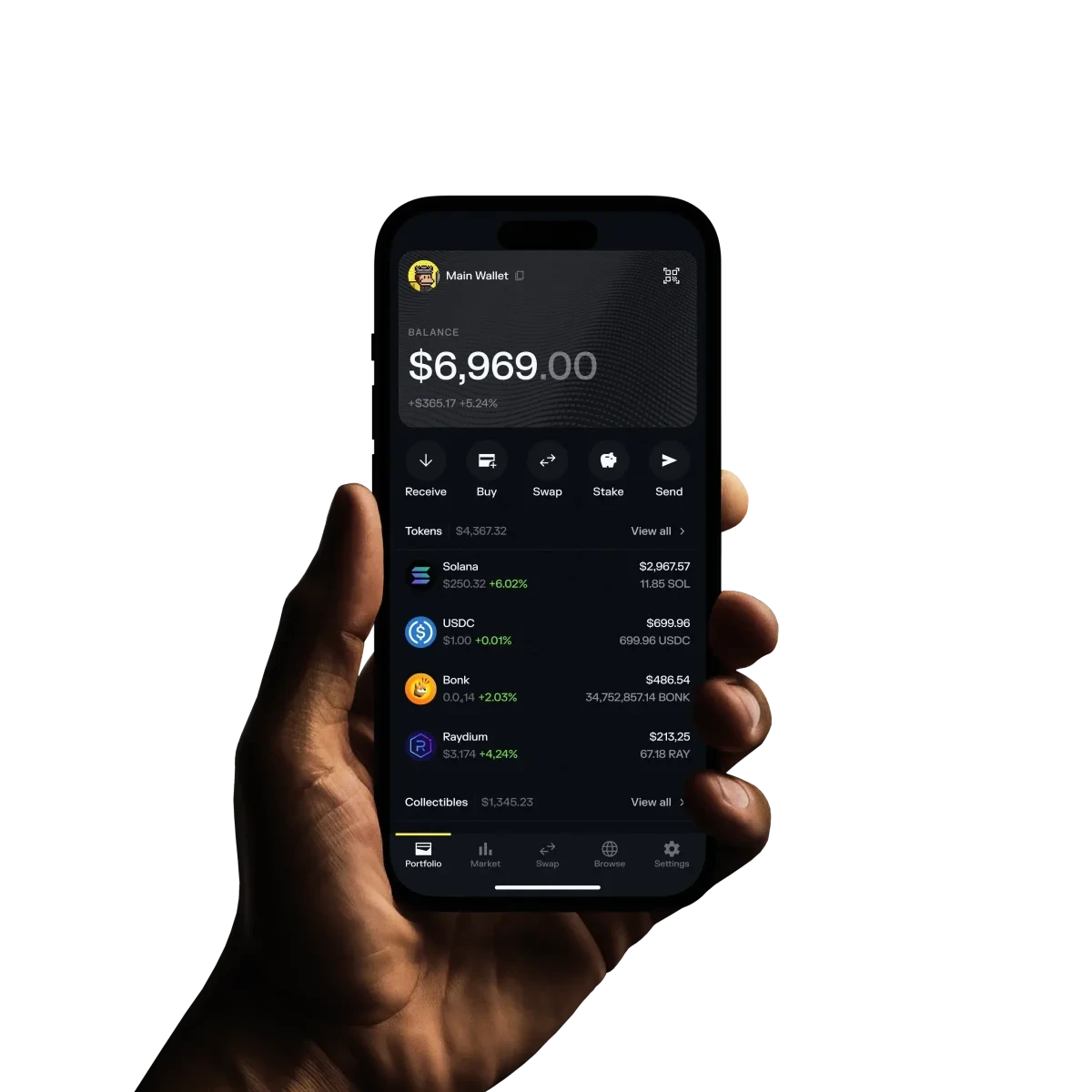
Notably, Solflare is built around the Solana ecosystem: holding SOL and SPL tokens, trading Solana assets, connecting to DeFi apps, managing NFTs, using hardware wallet protection through Solflare Shield, and tracking token prices. Staking belongs in that broader wallet context because SOL is both the network currency and the asset used for delegation.
That makes Solflare wallet staking practical for users who already use the wallet for swaps, app connections, or NFT activity. The same seed phrase or hardware-backed wallet authority controls the staking account, and the same interface displays spendable balances beside delegated stake. The experience feels less fragmented than using a wallet for storage and a separate interface for every validator action.
Custody, seed phrases, and signing risk
Self-custody gives the wallet owner direct authority over stake accounts, so operational habits matter. The seed phrase or hardware wallet protects the ability to move, deactivate, and withdraw SOL. Anyone who obtains that signing authority controls the funds, regardless of which validator received the delegation.
Typically, Solflare wallet staking keeps the staking transaction inside the wallet, which reduces the need to paste addresses into unfamiliar forms. Still, users should read wallet prompts carefully, especially when connecting to external decentralized apps. A staking transaction should reference SOL delegation or stake account management, not unrelated token approvals, swaps, or unknown program instructions.

Phantom, Ledger, and native Solana staking choices
In most cases, Solflare is one of several routes into Solana staking. Phantom also supports SOL staking from a widely used Solana wallet, while Ledger users often combine hardware signing with a compatible interface. Direct command-line staking through Solana CLI gives advanced operators the most control over stake accounts and validator vote accounts, but it demands comfort with terminal commands and key management.
The best fit comes down to workflow. Solflare wallet staking suits users who want a Solana-focused wallet with visible staking controls, mobile and extension access, and integrated asset management. Hardware signing suits larger balances and stricter key isolation. CLI staking suits operators who want to inspect every account and transaction parameter themselves.
Common mistakes that affect SOL staking outcomes
The first mistake is delegating every last fraction of SOL and leaving no spendable balance for later transactions. The second is choosing a validator from name recognition alone without checking commission and performance. The third is expecting rewards before activation finishes. These are simple process issues, but they cause most confusion around Solflare wallet staking.
Another mistake is treating unstaking as an instant withdrawal. On Solana, deactivation and withdrawal are separate lifecycle states. Reading the stake account status inside the wallet prevents misinterpreting a cooling-down stake account as a failed transaction. Once the user understands stake accounts, epochs, validator commission, and wallet authority, the staking feature becomes a straightforward way to participate in Solana while keeping direct control over SOL.
Frequently asked questions about Solflare wallet staking
Fees on Solflare wallet staking: what costs should I expect?
Staking SOL through Solflare involves normal Solana network transaction fees and validator commission on earned rewards. The transaction fee is paid in SOL from the wallet balance. Validator commission is taken from staking rewards before the delegator receives the remaining reward in the stake account. Keep a small amount of liquid SOL outside the delegated stake so later actions such as deactivate and withdraw have fee coverage.
Can I stake SPL tokens or NFTs with the Solflare staking feature?
Solana consensus staking uses SOL, not arbitrary SPL tokens or NFTs. Solflare holds and displays many Solana assets, but validator delegation is tied to SOL stake accounts. Some decentralized apps offer separate token staking or NFT reward programs, yet those are app-specific contracts or programs rather than native Solana validator staking inside the wallet.
Which is better for staking SOL, Solflare mobile or the browser extension?
Both routes serve the same core purpose: signing Solana stake transactions from a Solflare wallet. Mobile is convenient for checking balances, approving simple actions, and monitoring rewards. The browser extension fits desktop DeFi workflows and validator research across tabs. The stronger choice is the device setup with better key protection, reliable backups, and fewer risky browser connections.
Is a hardware wallet useful when delegating SOL through Solflare?
A hardware wallet is useful for users who want signing keys isolated from a phone or computer. Solflare supports hardware-oriented protection through its wallet ecosystem, and hardware signing adds a physical confirmation step before stake transactions move forward. It does not change Solana reward mechanics, validator commission, or epoch timing; it strengthens key custody for the wallet authority.