Practical guides
Solflare wallet is a Solana account for staking SOL and spending from self-custody
Solflare wallet is a self-custody Solana wallet built for people who want one place to hold SOL, manage Solana tokens, stake, trade, connect to dApps, and use card spending features tied to their crypto activity. It gives the user control of private keys while packaging core Solana actions into mobile apps and a browser extension, so everyday activity stays close to the same account.
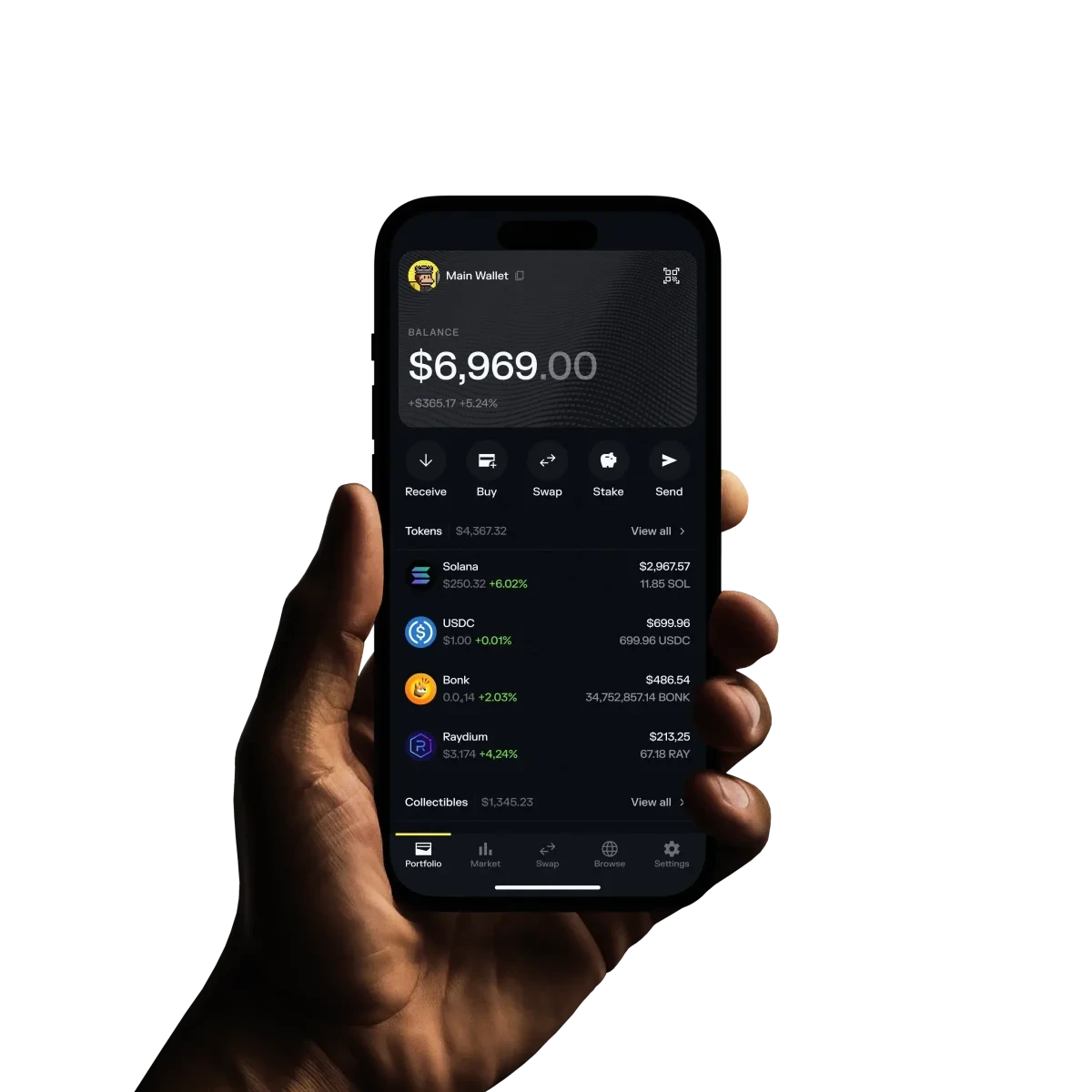
The important distinction is control. The app creates or imports a wallet, signs transactions locally, and presents Solana balances, NFTs, swaps, staking , token prices, and card tools through a consumer interface. That makes it useful for a holder who stakes SOL, a trader checking market movement, or a Web3 user approving transactions across Solana apps. It is also built around Solana's speed and low network fees, which shapes the whole product experience.
Card spending turns Solana balances into a checkout workflow
The card angle matters because it moves the wallet beyond storage. Solflare promotes card features as a way to spend instantly while keeping crypto activity connected to a self-custody wallet. The user still needs to understand which balance funds the spend, how settlement is handled, and what card-specific terms apply, but the workflow is designed for payment rather than only portfolio viewing.
That makes Solflare wallet relevant to users who want to bridge on-chain assets and ordinary purchases without moving every transaction through a centralized exchange first. The value is convenience: the same app that shows SOL, tokens, staking positions, and market data also becomes the place where a user checks whether assets are ready for spending.
SOL staking stays close to the wallet balance
Staking is one of the most practical long-term uses for a Solana wallet. With Solflare wallet, a SOL holder delegates stake from inside the interface, monitors the position, and keeps the staking account tied to the same recovery setup as the rest of the wallet. The validator earns rewards from Solana network participation, and the staker keeps custody of the account used to delegate.
The mechanics are straightforward: the user chooses an amount of SOL, selects a validator or staking route presented in the app, approves the transaction, and waits through Solana's epoch timing for activation and later withdrawal changes. Staked SOL remains part of the user's Solana position, but liquidity and timing differ from an unstaked balance sitting ready for transfers, swaps, or card-related spending.
Trading and token prices fit Solana's fast market rhythm
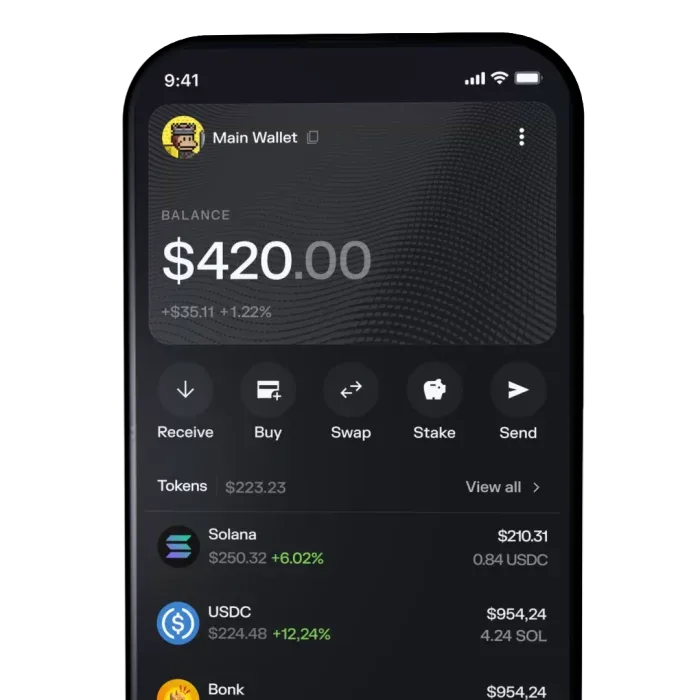
Solana token markets move quickly, especially around memecoins, DeFi assets, and newly listed tokens. The wallet includes trading-oriented surfaces such as token price views, market updates, and swap access, giving users a compact way to inspect a token before signing an on-chain trade. That matters because a wallet approval is the final step that moves real assets.
A useful trading flow starts with balance review, then price checking, then a swap preview that shows the token pair, expected output, slippage setting, and network fee. Solflare wallet is strongest when the user treats the confirmation screen as the decision point rather than a formality. Token names, mint addresses, and requested permissions deserve attention before any approval.
dApp connections run through mobile and extension approvals
Solana dApps rely on wallet connections for actions such as swaps, NFT purchases, DeFi deposits, game transactions, and governance votes. The browser extension handles desktop approvals, while the mobile app supports on-phone activity and QR-style onboarding. Once connected, a dApp requests signatures for each transaction, and the wallet displays the approval details before broadcasting to Solana.
This is where a good Solana wallet earns trust through clarity. It should show the account involved, the requested action, and the assets affected. Solflare wallet supports the typical dApp path without forcing a user to copy private keys into websites, which is the behavior a self-custody setup is meant to avoid.
Shield and hardware-wallet habits protect larger balances
Security becomes more important as the account grows. Solflare offers Shield as a hardware-wallet-oriented product area, and the broader workflow fits the standard high-value pattern: keep recovery words offline, use a hardware device for meaningful balances, and approve transactions only after reading the request. A hardware wallet adds a physical confirmation step before a transaction leaves the account.
Users who stake, trade, and spend from one ecosystem should separate convenience funds from long-term holdings. A mobile hot wallet works well for small active balances, dApp testing, and quick payments. Larger SOL positions belong behind stricter signing habits, especially when interacting with unfamiliar dApps or tokens that appeared through airdrops, promotions, or social links.
Magic, support, and guides make routine tasks less cryptic
Solflare also presents Magic as an AI assistant and emphasizes human support, app guides, FAQs, and Crypto 101 material. Those pieces matter because Solana wallets expose concepts that confuse new users: seed phrases, token accounts, staking activation, priority fees, failed transactions, and wallet permissions. Good guidance reduces avoidable mistakes without hiding the reality that the user signs transactions with their own keys.
For a new setup, the clean path is simple:
- Install the official mobile app or browser extension.
- Create a wallet or import an existing Solana address with its recovery phrase.
- Back up the recovery phrase offline before adding funds.
- Send a small SOL test amount before transferring a larger balance.
- Use the staking, trading, dApp, and card areas only after the account backup is complete.
That order prevents the most expensive beginner mistake: funding an account before the recovery setup is secure and tested.
Costs come from Solana activity and product-specific terms
On-chain wallet activity pays Solana network fees in SOL. These fees are small compared with many older smart contract networks, but every transfer, swap, stake action, unstake action, token account operation, and dApp interaction still needs enough SOL to process. A wallet with only tokens and no SOL becomes frustrating because it lacks the gas needed to move anything.
Card spending introduces a separate layer. The network transaction cost is only one part of the experience; conversion, card program rules, regional availability, and rewards terms define the actual payment economics. The right mental model is two ledgers in one app: Solana transactions on-chain, and card activity governed by the payment product tied to the wallet.

Phantom, Backpack, and Ledger serve different Solana routines
Typically, Solflare wallet competes most directly with other Solana-first wallet experiences. Phantom is widely used for Solana dApps and has expanded across multiple chains. Backpack is known for xNFT-style app experiences and the Mad Lads ecosystem. Ledger hardware wallets are built for offline key storage and pair with compatible wallet interfaces for signing. The best choice comes down to the user's main routine.
| Option | Best fit | Concrete distinction |
|---|---|---|
| Solflare | SOL staking, Solana trading, card-oriented wallet use | Solana-native interface with staking, card, Shield, and assistant features |
| Phantom | Broad Solana dApp access and multi-chain wallet use | Large consumer wallet footprint across Solana and other networks |
| Backpack | Solana collectors and app-like wallet experiences | xNFT focus and close association with Solana NFT culture |
| Ledger | Long-term storage for larger balances | Private keys stay on a hardware device during signing |
Many users combine tools: a hardware signer for high-value holdings, a mobile wallet for active spending, and a browser extension for dApps. The deciding factor is where the assets sit, how often the user signs, and whether staking, card spending, NFT activity, or DeFi access is the main job.
Who gets the most value from this setup
The strongest match is a Solana user who wants active features without leaving self-custody. Staking SOL, watching token prices, swapping assets, connecting to dApps, storing NFTs, and managing spending tools all live near the same account model. That combination saves time for someone already committed to the Solana ecosystem.
In most cases, Solflare wallet also suits users who prefer a dedicated Solana experience instead of a generic crypto wallet that treats every chain the same. Its product language, staking flow, card direction, Shield hardware focus, and Solana resource library all point toward one ecosystem. Used with disciplined key storage and careful transaction review, it becomes a practical control panel for daily Solana activity.
Things people ask about Solflare wallet
- Does Solflare card spending require unstaking SOL first?
- Staked SOL follows Solana staking rules, so it is not the same as an immediately spendable liquid balance. A user needs available assets in the wallet or card-related balance that the spending product supports. If all SOL is delegated, the user should expect an unstaking and withdrawal timing step before that SOL becomes available for ordinary transfers or spending flows.
- Which devices support the Solflare mobile and extension workflow?
- Solflare is built for mobile use and browser-extension use, so the common setup is a phone for day-to-day wallet access and a desktop browser extension for dApps. The exact browser and operating system support should match the app or extension being installed. Users who keep larger balances also pair compatible hardware-wallet signing with the Solana account.
- Fees on Solflare wallet swaps: what should users check?
- A swap involves Solana network fees plus the economics of the quoted trade. The important fields are input token, output token, expected amount, price impact, slippage tolerance, route, and any displayed service or liquidity cost. Keeping a small SOL balance for fees prevents failed approvals when the wallet holds only SPL tokens.
- Is Solflare Shield the same as using a hardware wallet?
- Shield is Solflare's hardware-wallet-focused security area, while the hardware device itself is the signing tool that keeps private keys isolated. The practical setup pairs the wallet interface with a compatible device so important approvals require physical confirmation. This matters most for larger SOL balances, staking accounts, NFTs, and long-term holdings.